The thesis · celestlabs

Everyone optimised how voice sounds.
We optimised what it runs on.

Lifelike speech that runs in real time on ordinary CPUs, no GPU, in any region on earth. The one input everyone else is fighting over, we don’t touch.
no GPU in the path0.19¢ / 1K charsevery region + on-prem
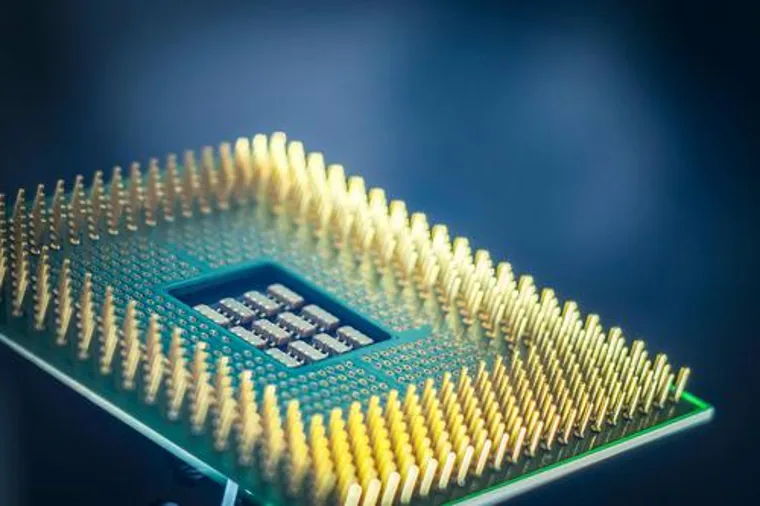
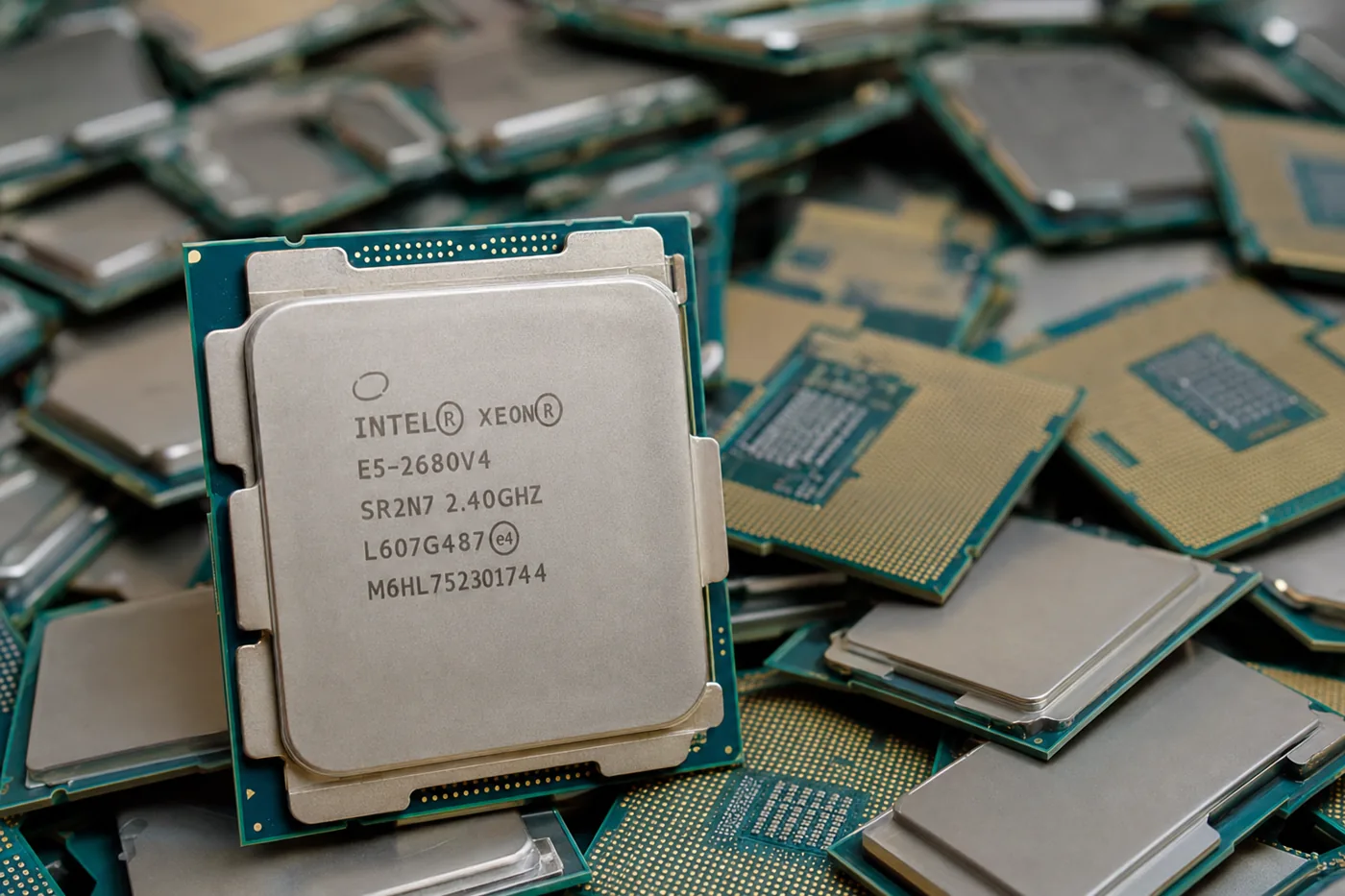
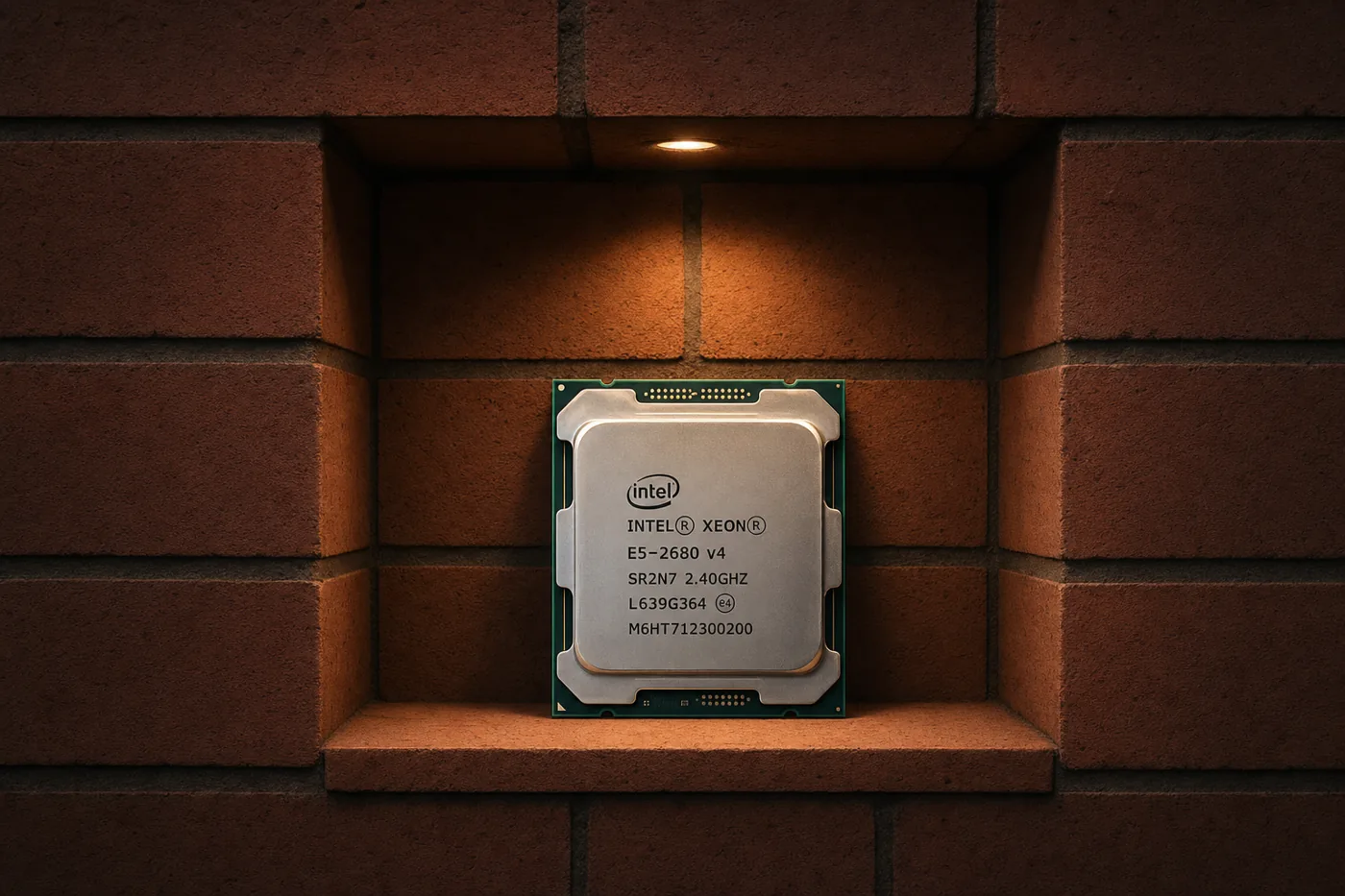
A real Intel Xeon CPU displayed in a lit recessed brick niche
Pillar 01 · supply
GPU-independent
CPU is commodity, multi-vendor and abundant. It autoscales serverless to infinity while GPU stays supply-shocked and capacity-gated.
Pillar 02 · reach
Runs anywhere
Every cloud region, on-prem, air-gapped, export-controlled, wherever the data is legally required to stay. GPUs can’t follow.
The input everyone depends on

GPU is the most supply-shocked input in computing.

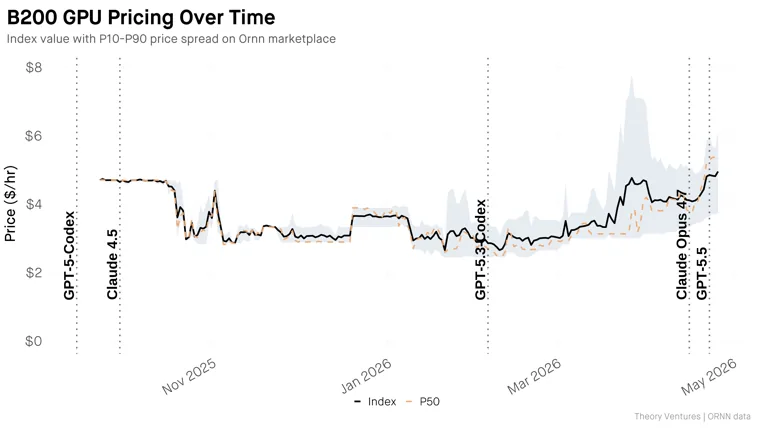
Not simply “expensive,” unpredictable. H100 rental fell about 80% in two years, then snapped back about 40% in six months; the newest chips spiked 114% in weeks while on-demand capacity sold out across every type. And the real ceiling was never the die. It is the memory, packaging and power behind it. Serve voice on GPUs and you inherit all of it.

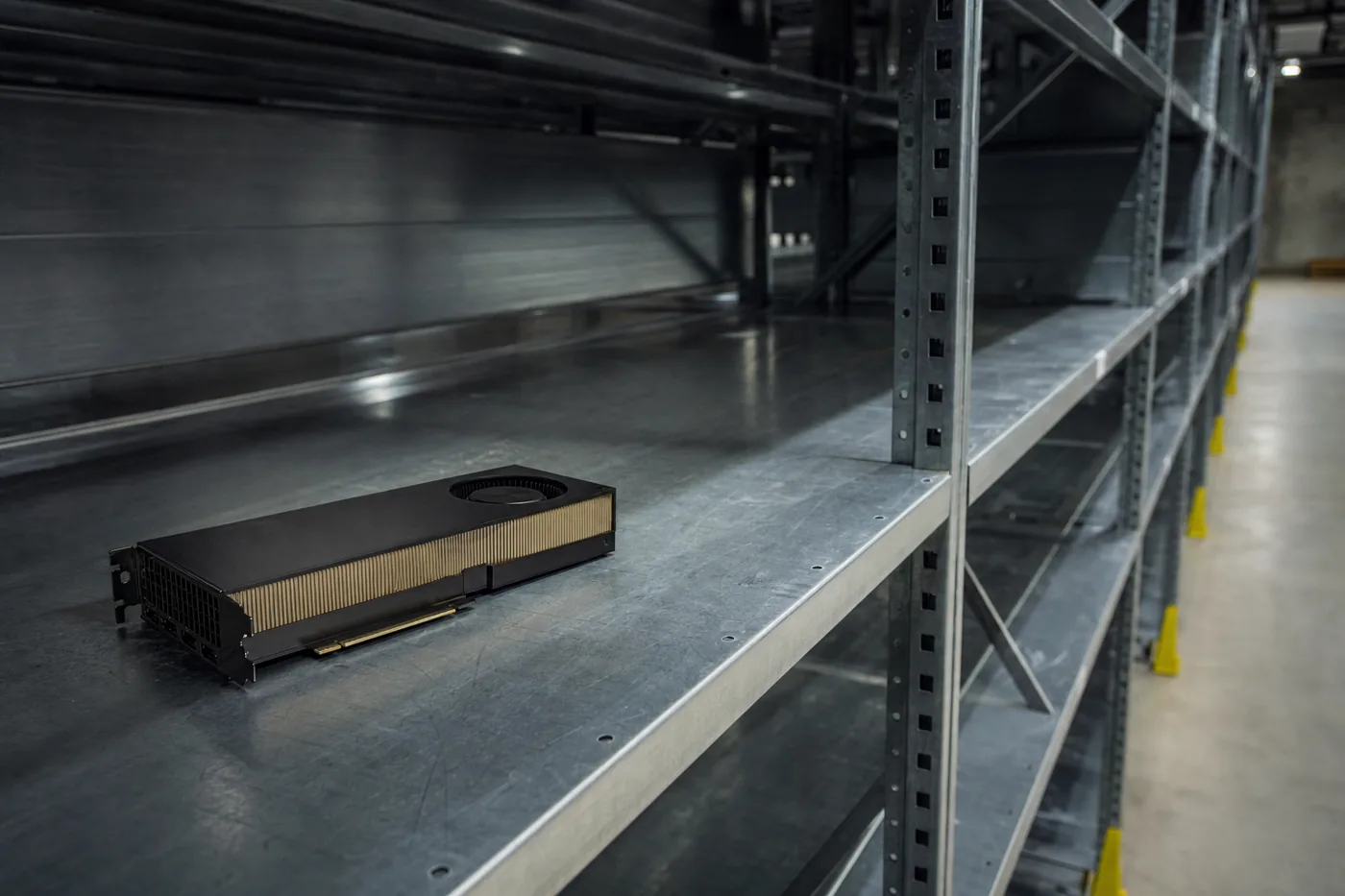
A single NVIDIA H100 GPU alone on near-empty warehouse shelves
The stack you inherit on GPU01
H100 rental, a whipsaw not a glide path$ / GPU-hr
~$8 ~$3 $1.70 $2.35 2023 peakmid-2024Oct ’25Mar ’26
Down about 80%, then up about 40%. You cannot build unit economics on a market this volatile. Sources: Silicon Data, SemiAnalysis.
+40%
H100 rental rebound, 6 months · SemiAnalysis
+114%
B200 spot, 6 weeks · Theory Ventures
945 TWh
datacenter power by 2030 · IEA via Brookings
~92%
GPUs from a single vendor · Carbon Credits

The binding constraints aren’t the chip: HBM memory sold out through 2027, CoWoS packaging at 36 to 52-week lead times, grid-interconnect queues now exceeding 8 years. Spheron.

The signal is everywhere

You don’t have to take our word for the squeeze.

scroll →
A close-up of a real Intel Xeon CPU on a pile of identical chips
Lifelike voice, served on CPUs02
The unlock

So we went the other way.

We distilled the model small enough to run faster than real time on ordinary CPUs, the cheapest, most abundant compute on earth, on an Intel, AMD and Arm supply chain that doesn’t run out. It autoscales serverless to infinity; GPUs can’t even run on Lambda or Fargate.

real-time on a CPU
~3×
cheaper compute vs GPU
serverless autoscale
0
GPUs in the path
Compute to serve one voice stream, on-demand $/hourCPU = the green bar
GPU · A10G (g5.xlarge)$1.006
CPU · 8 vCPU (c7i.2xlarge)$0.357
A third of the cost for the same job, and the CPU box runs in every region, serverless, and on-prem. The GPU box can’t. Pricing: Thunder Compute, AWS on-demand.
How the lab works

We don’t train one model for the world. We run a model factory.

Open foundation models are multilingual generalists, one network carrying the weight of a hundred languages so it can serve any of them. A commercial endpoint needs one at a time. So we take a strong open model and strip it to a single language, the one we’re shipping; the capacity it spent on the other ninety-nine falls away and the architecture gets lighter and less dense. Then we distil it on data we generate ourselves from large open teacher models. The result is counter-intuitive: each model gets smaller and more accurate at once, smaller because it only does one thing, more accurate because all its capacity now points at that one thing.

Open foundation
A strong, permissively-licensed model
Specialise
Strip to one language; shed the rest
Distil
On data our own teacher models make
Ship
INT8, CPU-only, one per language

English, then Hindi, then the next, each a separate, leaner model. Three languages means three small specialists behind a router that loads only the one a request needs, not one bloated generalist. The pipeline is identical every time, so a new language is weeks, not a research project, and every release pushes the cost curve down and the accuracy up. That cadence is the lab.

1
language per model, by design
weeks
to ship the next language
INT8
CPU-only inference
0
GPUs in the path
Reach & compliance

CPU runs in every region. GPUs don’t.

Voice is biometric, personal data. Under GDPR and the EU AI Act it often can’t leave its jurisdiction. CPU is in 100% of cloud regions, plus on-prem, air-gapped and export-controlled environments. Modern GPUs sit in roughly a third of regions, behind quota approvals that routinely get denied. We deploy where the data is required to live, and where GPUs simply aren’t.

Regions you can actually deploy inCPU vs modern GPU (H100)
CPU · general compute~100%
GCP · H10017 / 43
AWS · H100 (p5)13 / 37
Azure · H100 (gated)~24 / 60
And the GPU figure flatters reality: those SKUs are quota-capped and frequently unobtainable. CPU has no such gate. Region data: Google Cloud.
Compute reaching every region on earth
Where the data must stay, we can run03
62%
cite data sovereignty as the top blocker to cloud AI · NTT DATA
Dec ’27
EU AI Act high-risk duties; voice is biometric data · Biometric Update
+320ms
Australia’s penalty if served from the US (950 vs 630ms)
Go to market

We don’t sell APIs door to door. We get listed where demand pools.

The voice value chain is consolidating into a handful of chokepoints, agent orchestrators and cloud model marketplaces every builder already shops in. A model provider wins by being in every dropdown, not by chasing enterprises one at a time. We list as a built-in provider and ship a self-host artifact for sovereign and on-prem buyers; the CPU cost-and-reach edge is what we sell into the channel.

The asset
One CPU-only voice model
Listed in the chokepoints
Vapi · Retell · Bedrock · Vertex · Azure
Distribution
1M+ builders, every region, on-prem
One source distributed to many channels and regions
One model, every channel04

Distribution, not direct sales, is the moat. ElevenLabs, Cartesia and Deepgram all grew through these same channels. CPU-only means we can be the only provider in the list that also deploys inside the customer’s own region or datacentre.

Why this compounds

A research lab that ships, priced like one.

The premium doesn’t attach to the word “model.” It attaches to owned, hard-to-copy IP. We ship a new model every few months, compounding a CPU-efficient architecture and a cost curve nobody else has. That is the gap between the IP cohort and the wrapper cohort.

Revenue multiple by what you actually own2026 · median, 575-co dataset
Owns differentiated IP25.8×
No structured IP18.2×
Thin wrapper / reseller3 to 5×
Voice-model owners re-rate accordingly: ElevenLabs ~22 to 33×, Cartesia ~50×, Deepgram ~60× ARR. TTS is commoditising on open weights, so the moat is the cost curve and the cadence, not “a small model.” Multiples: Finro.
The price of speech
0.19¢
per 1,000 characters · 15 paise / minute

~50× below premium: the line between voice as a feature you ration and voice you leave on for everyone, in any region, on hardware you already own.

Cost per 1,000 characters, the fieldCelestLabs = the green sliver
ElevenLabs$0.150
Google / Azure$0.016
OpenAI tts$0.015
CelestLabs$0.0019
Not a discount on the same stack, a different architecture: no GPU to rent, in any region.
The bet

Voice goes everywhere only when the compute behind it stops being scarce.

01

When every voice already sounds human, the differentiators become what it costs and where it can run.

02

GPU supply is contested, concentrated and physically capped. CPU is abundant and everywhere, so our economics don’t care which way the GPU market swings.

03

A model provider wins through distribution, not direct sales, listed in every orchestrator and marketplace, and the only one that can deploy in-region.

04

Ship models continuously, compound the IP, and get priced as a research lab.

Why I’m building this

I’ve spent my career making big models cheap to run, distilling them, and squeezing inference onto the humblest hardware that will hold it. CelestLabs is that instinct, pointed at voice.

Staff Software Engineer, most recently at xAI (eval and inference for Grok-4), and before that Coupang (air-gapped RAG and distilled 7B student models), Atlassian, Disney+ Hotstar, and Zomato, where scale meant billions of events a day. The same lesson kept repeating: the model is rarely the hard part. Serving it cheaply, everywhere, is. The next decade of software won’t be typed, tapped or stared at. It’ll be spoken, and the only thing between that world and this one is what it costs, and where it’s allowed to run.

— Aayush Gupta · founder, CelestLabs · ex-xAI · Coupang · Atlassian · Disney+ Hotstar · Zomato
A vast wall of brick niches each cradling a lit Intel Xeon CPU

The industry built a voice almost no one can afford to run everywhere. We built the one that runs anywhere.

enter celestlabs →